

Key Takeaways
- Two providers may offer similar office technology, but the customer experience can be very different.
- The office technology industry has changed significantly as many independent dealerships have become part of larger organizations.
- Local ownership often provides greater flexibility, accountability, and personalized service.
- When comparing providers, evaluate service, support, responsiveness, and long-term partnership, not just equipment or price.
- UBS Office helps New Jersey businesses manage print, documents, and workplace technology with local expertise and personalized support.
If you’re evaluating a new office technology provider, it’s easy to assume that every company offers essentially the same thing.
Most providers sell multifunction printers and copiers. Most offer Managed Print Services, document management software, and maintenance agreements. Equipment often comes from the same major manufacturers, making it difficult to distinguish one provider from another based on a brochure or website alone.
The biggest differences usually aren’t the machines.
They’re the people, the service, and the way the company operates.
Over the past decade, the office technology industry has undergone significant consolidation. Many independent dealerships have been acquired by national organizations, manufacturers, or private equity firms. Those companies continue to serve businesses across the country, but the way they operate can differ from a locally owned provider.
That doesn’t automatically make one model better than another. Both local and national providers can deliver excellent products and support.
The important question is which approach best fits your business.
If you’re looking for a long-term technology partner rather than simply a company that sells equipment, here are several key differences to consider.
1. Local Ownership vs. National Scale
Ownership influences more than many businesses realize.
Locally owned providers typically make decisions close to the customers they serve. Whether it’s approving a solution, addressing a service concern, or responding to changing business needs, decisions can often be made more quickly because leadership is directly involved.
Larger organizations may have additional layers of management or corporate processes that help maintain consistency across multiple locations. While those structures serve an important purpose, they can also mean that some decisions take longer or involve more people.
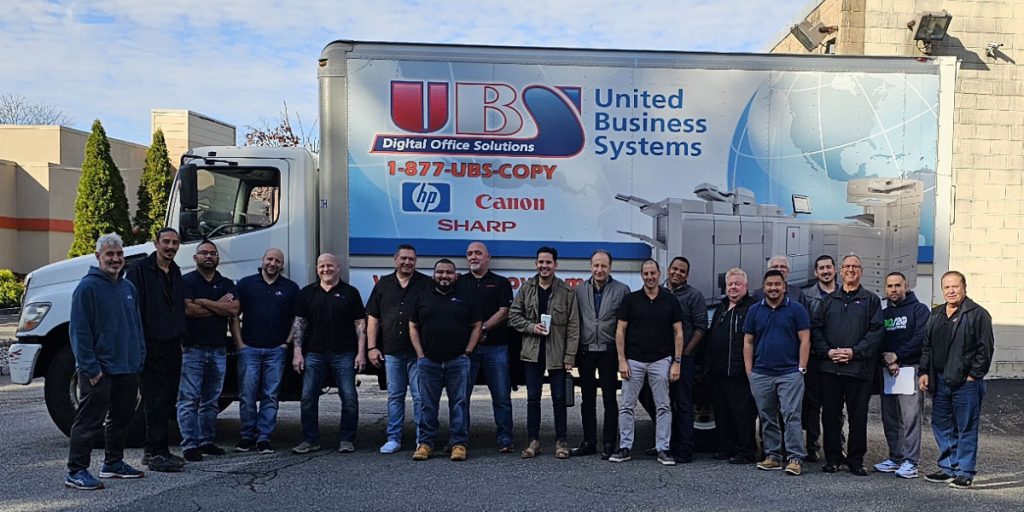
UBS Office remains locally owned and operated in New Jersey.
That local presence allows the company to focus on the needs of businesses throughout the region while remaining accountable to the community it serves.

2. Long-Term Relationships vs. Larger Account Portfolios
Office technology isn’t a one-time purchase.
Your equipment will require maintenance. Software will receive updates. Your business will grow, and your technology needs will likely change over time.
That’s why choosing a provider is really about choosing a long-term partner.
Large regional and national providers often support thousands of customers across broad geographic areas. Many provide excellent service, but the size of those organizations can mean customers work with different account managers or support teams throughout the relationship.
UBS Office takes a relationship-first approach.
Working closely with customers over time allows the team to better understand each organization’s goals, recommend improvements as needs evolve, and provide more personalized guidance rather than treating every interaction as a separate transaction.
3. Local Service vs. Larger Service Territories
When an office printer goes down or a critical workflow stops working, businesses want support as quickly as possible.
Response time depends on many factors, including technician availability, service scheduling, and geography.
Providers with local service teams often have an advantage because technicians are already working within the communities they support.
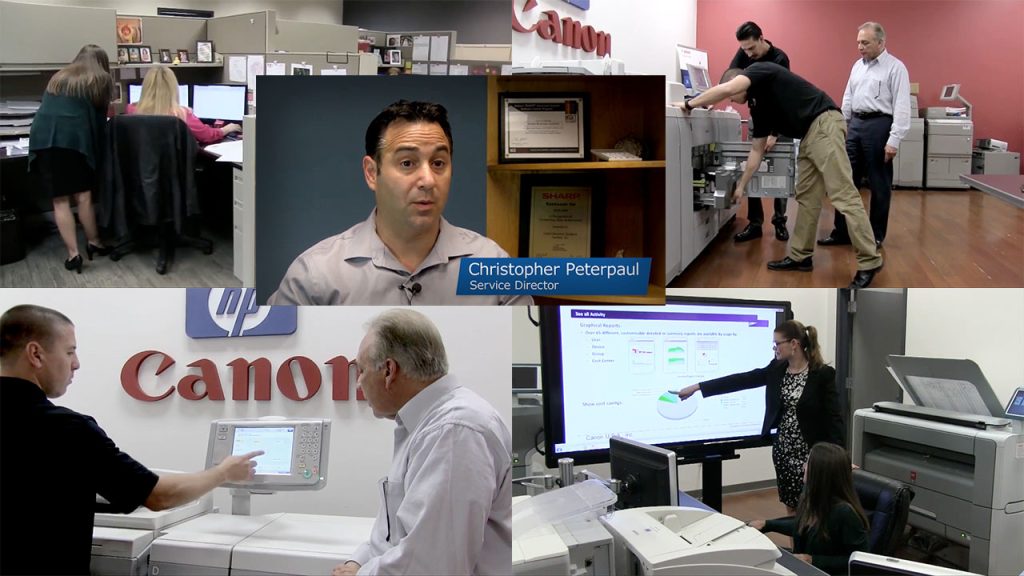
UBS Office serves organizations throughout New Jersey with local technicians who understand the region and the customers they support.
Having experienced professionals nearby can make a meaningful difference when your business depends on office technology every day.
4. Personalized Recommendations vs. Standardized Solutions
No two organizations operate the same way.
A law firm manages documents differently from a school district. A healthcare practice has different compliance requirements than a manufacturing company. Even businesses within the same industry often have unique workflows and priorities.
The best technology solution is rarely the same for every customer.
UBS Office begins with understanding how an organization works before recommending equipment, document management software, print management, or workflow improvements.
Rather than focusing solely on replacing existing equipment, the goal is to recommend technology that supports the way the business operates.
5. Continuity Matters
Working with familiar technicians and account representatives means less time explaining your environment, fewer repeated conversations, and a better understanding of how your organization operates.
As companies grow through acquisitions or organizational changes, customers may occasionally experience changes in account management, support structures, or service teams.
UBS Office has built its business on long-term customer relationships supported by experienced professionals who remain engaged throughout the life of the partnership.
That continuity helps create a more consistent customer experience from installation through ongoing support.
6. Looking Beyond the Copier
Office technology has changed dramatically.
Businesses today aren’t simply buying printers. They’re managing hybrid workplaces, improving document workflows, protecting sensitive information, enabling cloud printing, and finding ways to reduce manual processes.
The right technology partner should be able to support those broader business objectives.
UBS Office provides solutions that extend beyond office equipment, including Managed Print Services, document management, workflow automation, cloud printing, and workplace technology that helps organizations simplify everyday processes.
Instead of viewing each technology as a separate purchase, businesses benefit from a more connected approach that supports productivity across the entire organization.
7. Support Doesn’t End After Installation
Installing equipment is only the beginning of the relationship.
Technology requirements change. Businesses grow. Security expectations evolve. Software platforms receive updates. Departments expand or relocate.
An effective office technology provider continues helping customers adapt long after a device has been installed.
That may include reviewing print environments, recommending workflow improvements, supporting software updates, or helping organizations prepare for future technology investments.
Rather than focusing on a single sale, UBS Office works to build long-term partnerships that continue delivering value throughout the life of each technology investment.
Choosing the Right Office Technology Provider
Price is important.
Equipment features matter.
But those factors tell only part of the story.
When comparing providers, consider asking questions such as:
- Is the company locally owned or part of a larger organization?
- Where are service and business decisions made?
- Who will support my business after installation?
- Will I work with the same team over time?
- Can they support document management, workflow automation, and cloud printing in addition to office equipment?
- How do they approach long-term customer relationships?
The answers often reveal more about the experience you’ll have over the next several years than a product specification sheet ever could.
The best office technology provider isn’t necessarily the one with the lowest price or the largest footprint. It’s the one that understands your business, responds when you need help, and remains invested in your success long after the equipment is installed.
Frequently Asked Questions
Is a local office technology provider better than a national provider?
Not necessarily. Both local and national providers can deliver excellent products and services. The difference often comes down to responsiveness, flexibility, continuity, and the type of long-term relationship your organization wants with its technology partner.
What should I compare besides copier pricing?
Look beyond the monthly payment. Compare service response, local technician availability, customer support, technology expertise, contract terms, and the provider’s ability to support future business needs such as document management, workflow automation, and cloud printing.
Why does local ownership matter?
Local ownership often means decisions are made closer to the customer, allowing for greater flexibility, accountability, and familiarity with the businesses and communities being served. For many organizations, that can lead to a more personalized customer experience.
Experience the UBS Office Difference
Choosing an office technology provider is about more than selecting printers or copiers. It’s about finding a partner that understands your business, provides responsive support, and helps your technology evolve as your organization grows.
For decades, UBS Office has helped organizations throughout New Jersey improve print management, document workflows, cloud printing, and workplace technology with local expertise and personalized service. If you’re evaluating your current provider or planning your next technology investment, contact UBS Office to learn how a local technology partner can help your business get more from every investment.
About United Business Systems
United Business Systems specializes in simplifying the complexity and management of office technology solutions for over 7,800 organizations nationwide. Services include Managed Print, Document Management and IT Services. Products include MFPs, Copiers, Printers and Wide Format Printers. UBS’s headquarters is in Fairfield, NJ, with branch offices in Moorestown, NJ, Manasquan, NJ and New York.For the latest industry trends and technology insights, visit UBS’ main Blog page.
