

Spring is often when teams take a closer look at what’s been piling up around the office. Storage rooms get reorganized. Supply closets get sorted. And somewhere in that process, a drawer or shelf reveals a collection of empty printer cartridges that nobody quite got around to dealing with.
It is an easy thing to overlook. Once a cartridge is used up, it stops serving a purpose, so it gets set aside. But those small plastic and metal components add up to a bigger environmental issue than most businesses realize and recycling them is one of the easiest steps a company can take to cut down on waste.
For businesses working with a Managed Print Services provider, this is not a complicated shift. It is a natural extension of a relationship that is already built around efficiency, sustainability, and reducing waste.

The Environmental Footprint of a Single Cartridge
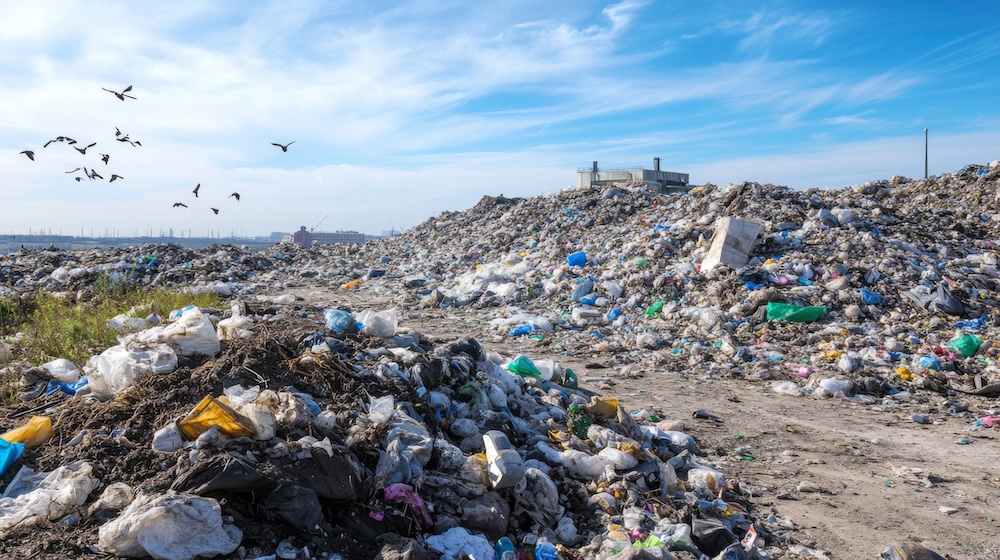
Printer cartridges are built to last inside a machine, which also means they do not break down easily once they leave it. A typical cartridge is made from a combination of engineered plastics and metal components. According to industry research, a single toner cartridge can take up to 1,000 years to decompose in a landfill.
That lifespan matters when you consider the volume. Hundreds of millions of cartridges are discarded every year in the United States alone, and the vast majority end up in landfills rather than being recycled or remanufactured.
The concern goes beyond the space they occupy. As cartridges slowly degrade, the materials inside, like toner powder, chemical compounds, and plastic components, can leach into surrounding soil and groundwater. Toner formulations often contain volatile organic compounds (VOCs) and trace heavy metals.
When a cartridge is discarded after a single use, all of that embodied energy and raw material is lost. In a broader context, the UN’s Global E-Waste Monitor 2024 found that only 22.3% of global electronic waste was properly collected and recycled in 2022, leaving an estimated $62 billion USD worth of recoverable materials unaccounted for.
Why Recycling Still Gets Skipped
For most businesses, the problem is not a lack of interest in sustainability. It is a lack of structure around small but recurring waste streams like cartridges. A few patterns tend to explain why recycling gets overlooked:
- No clear process: Without a designated collection point or scheduled pickup, employees default to the nearest bin.
- It feels minor: Compared to larger waste streams, individual cartridges seem insignificant. The cumulative picture tells a very different story.
- Unclear options: Not all recycling programs are equivalent, and businesses are not always sure which channels actually handle materials responsibly.
- Competing priorities: Day-to-day operations take precedence, and sustainability initiatives without a structured owner often stall.
The good news is that all of these obstacles are solvable, particularly when recycling is embedded into a Managed Print Services relationship rather than treated as a separate initiative.
What Responsible Recycling Actually Looks Like
When cartridges are handled through the right channels, they follow a very different path than the landfill. Usable components are separated and recovered. Cartridges in suitable condition are refurbished or remanufactured. Materials that cannot be reused in their original form are broken down into raw inputs for other manufacturing processes.
This approach has measurable benefits. Remanufacturing a cartridge uses significantly less energy and raw material than producing a new one from scratch. It also keeps plastic and metal out of the waste stream, which matters both environmentally and operationally as regulations around electronic waste continue to tighten.
It’s worth noting that not every recycling channel delivers on this promise. Some programs still route materials overseas for processing or rely on incineration for components that cannot be easily recovered. A responsible recycling program is transparent about what happens to each part of a cartridge and committed to keeping materials within a closed-loop system wherever possible.
For businesses, this distinction matters. Choosing a provider with clear recycling protocols is part of due diligence, not just goodwill.

How Managed Print Services Make This Easier
One of the underappreciated advantages of working with a Managed Print Services (MPS) provider is that sustainability programs do not have to be bolted on as a separate effort. They can be integrated directly into the service relationship that is already managing your devices, supplies, and support.
At UBS Office, our approach to Managed Print goes beyond keeping devices running. It includes helping clients operate their print environments more responsibly, which means tracking supply usage, reducing unnecessary printing, ensuring devices meet energy efficiency standards, and supporting proper cartridge recycling as part of the overall service.
The practical result is that employees do not need to figure out what to do with empty cartridges. A process exists. A collection point is established. Pickups are coordinated. Recycling becomes part of the routine rather than an afterthought.
The Business Case Beyond Environmental Impact
Cartridge recycling is the right thing to do environmentally. It also makes straightforward business sense.
- Visibility into supply usage: Tracking what comes in and what goes out of your print environment often reveals where printing can be reduced or managed more cost-effectively.
- Simplified compliance: As e-waste regulations continue to evolve across North America, having a documented recycling process provides a straightforward compliance record.
- Stronger brand perception: Customers, partners, and employees pay attention to how organizations manage their environmental responsibilities. Visible sustainability practices contribute to trust.
- Support for internal ESG goals: Many organizations are setting environmental targets at the leadership level. Cartridge recycling is a concrete, measurable action that contributes to those commitments.
None of these requires a dedicated sustainability department or a major policy overhaul. They follow naturally from having a structured process in place.
Why Spring Is a Good Time to Address It

Spring cleanups tend to bring everything back into view. Storage areas get cleared out, supplies are counted, and those used cartridges that have been sitting in a cabinet for months finally resurface.
Instead of tossing them in the trash as part of the cleanup, this is a good opportunity to deal with them properly and make sure they do not end up in the same spot again.
Putting a simple process in place now makes a difference right away. The backlog gets cleared out, and going forward, there is no guesswork about what to do with an empty cartridge. It becomes part of the routine instead of something that gets postponed.
The cleanup is already happening. This just makes better use of it.
Frequently Asked Questions
Are all cartridge types recyclable?
Most ink and toner cartridges can be recycled, though the process varies by type and condition. Some are suitable for remanufacturing; others are broken down for raw material recovery. A structured program ensures each type is handled through the most appropriate channel.
Is remanufacturing different from recycling?
Yes. Remanufacturing means cleaning, refilling, and restoring a cartridge for reuse, extending its life directly. Recycling processes a cartridge at end-of-life to recover materials. The best programs use both approaches depending on what a given cartridge can support.
How much extra work does this create for staff?
Very little, when a program is properly set up. Employees need a designated collection point. Everything else, like scheduling, coordination, and responsible processing, is handled through the service provider.
Can a small office actually make a difference?
It is easy to assume it does not matter at a smaller scale, but those cartridges do add up over time. In any office that prints regularly, they accumulate faster than most people expect. Recycling them is a small step, but it is one that has a real, visible impact.
How do we know cartridges are being handled responsibly?
Ask your provider to explain their process. Look for transparency about where materials go, how components are sorted, and whether the program is designed to keep waste out of landfills rather than simply transferring it elsewhere. A provider that cannot clearly describe their recycling chain may not be closing the loop.
A Small Process Change With a Long-Term Impact
Printer cartridges are easy to overlook. They are small, they are plentiful, and once they stop working, they fade from attention. But at scale, the impact is hard to ignore. Hundreds of millions are discarded each year, made from materials that can take centuries to break down and may affect the environment long after disposal. It is a strong case for handling them differently.
Recycling changes that outcome. And when recycling is integrated into a Managed Print services relationship, it stops being a task someone has to remember and becomes part of the normal rhythm of how a business operates.
This spring, as your team sorts through what has accumulated over the past year, it is worth deciding that the empty cartridges on that shelf take a different path this time.
To learn more about how UBS Office supports sustainable print management for businesses across New Jersey and beyond, contact our team directly.
